Choosing an instrumentAbout
Studio Guitars
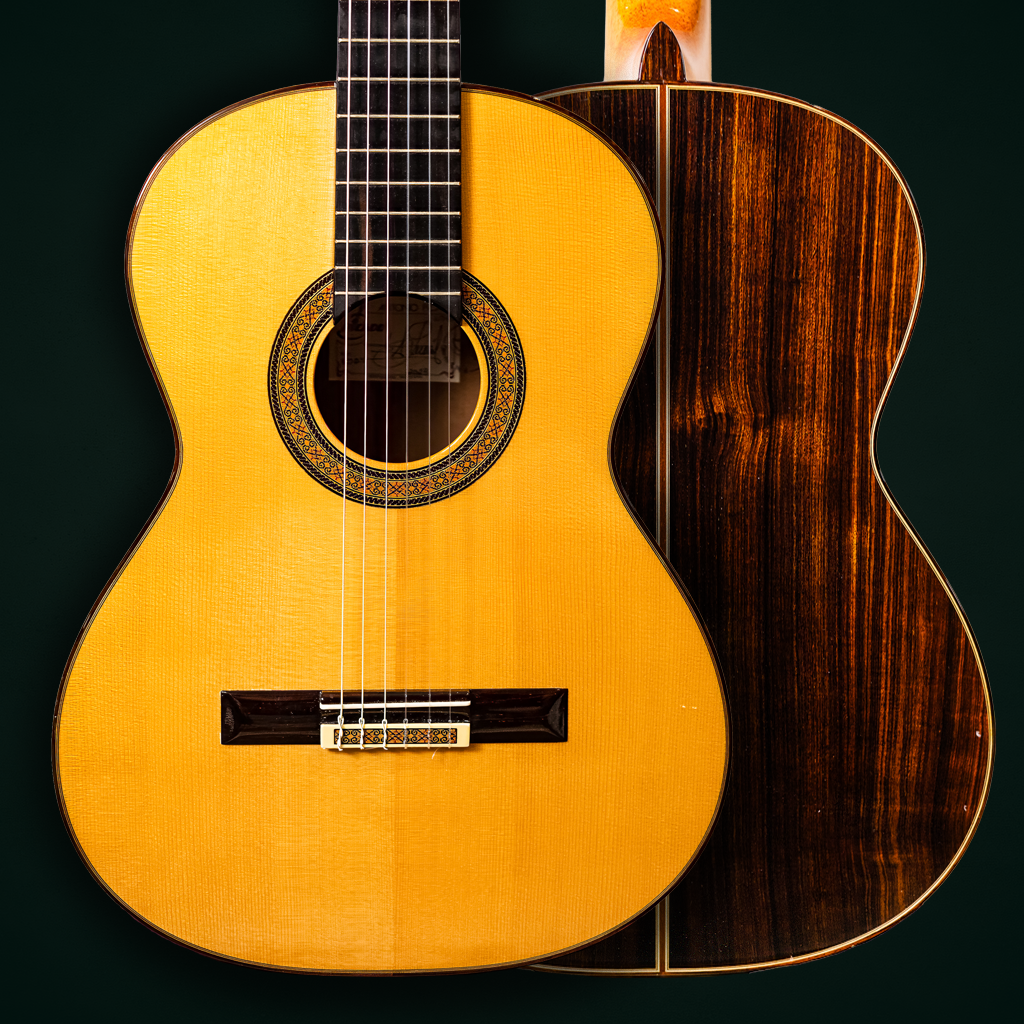
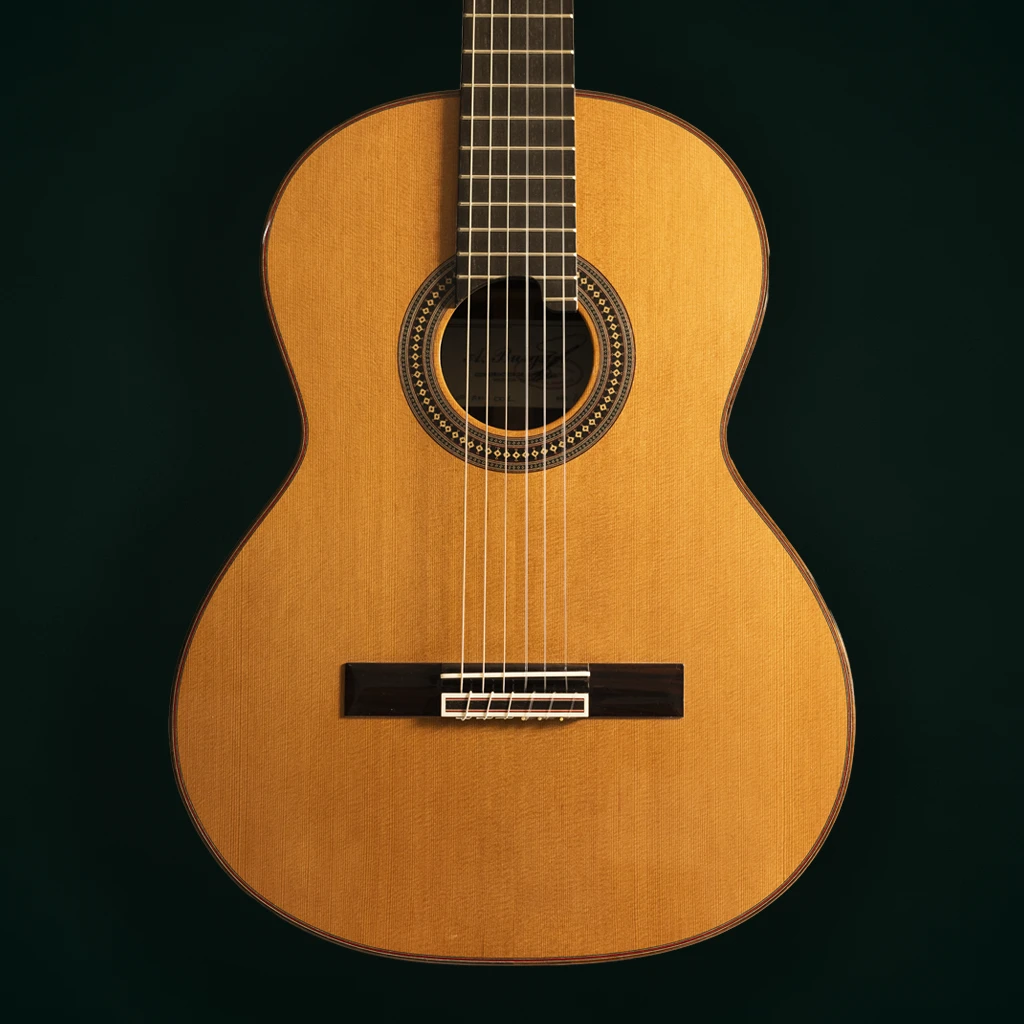
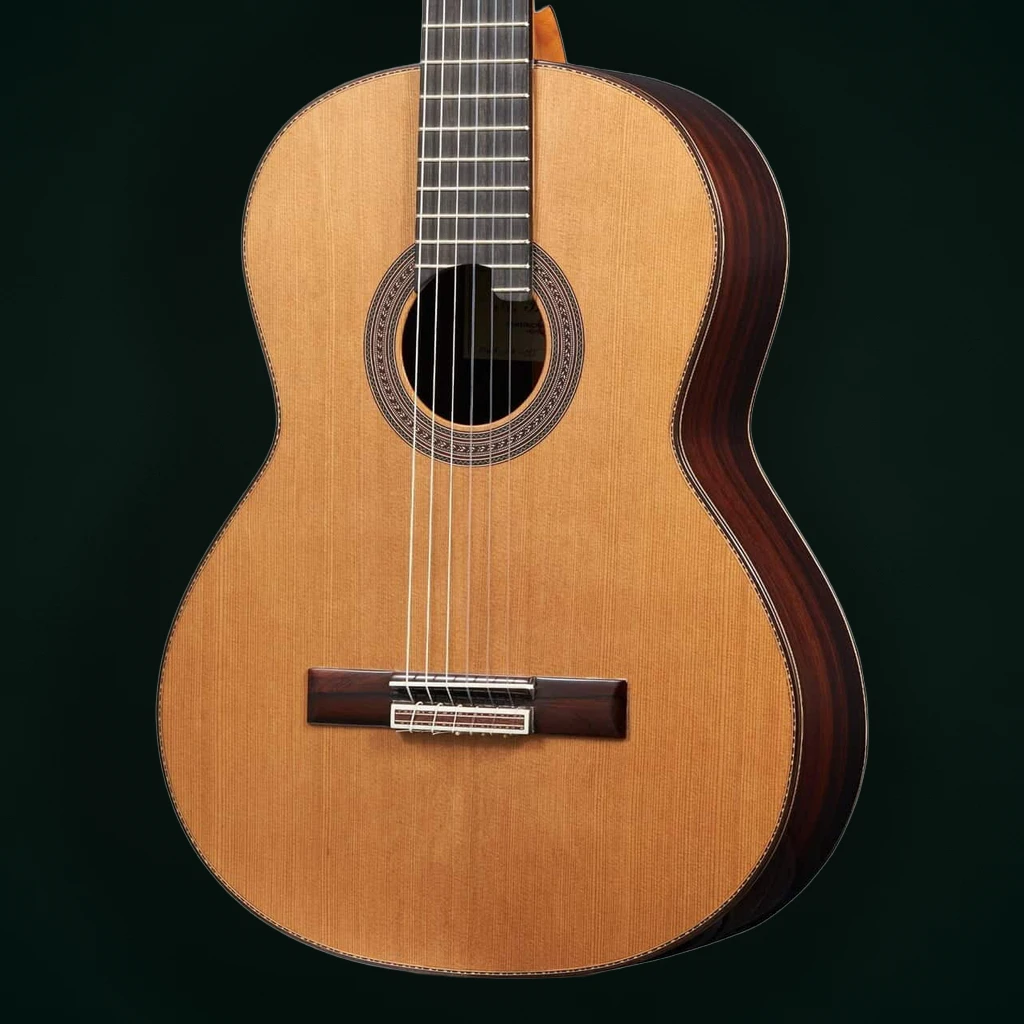
The term studio guitar describes a broad category of serious classical guitars positioned between entry-level student instruments and full concert guitars. They bring together the qualities that matter increasingly as a player develops: responsiveness, tonal balance, dynamic range, comfortable playability and a more refined musical character, but in a more budget conscious way than a full concert instrument.
What can a better guitar offer?
A better guitar can change what happens the moment you pick it up. Greater responsiveness makes differences in touch, colour and dynamics easier to hear and control, while improved balance and playability give you more freedom to concentrate on the music. A good studio guitar provides plenty of room to develop without requiring the investment of a full concert instrument.
What a better guitar can offer ↗Studio or concert guitar: which is right for you?
The difference is not simply about playing standard. A studio guitar can offer excellent responsiveness, balance and tonal variety for serious practice, lessons and performance, while a concert instrument takes refinement, complexity and expressive control further. For many players, a studio guitar provides everything they need. A concert guitar becomes worth considering when you want greater nuance, a broader palette of colour and an instrument capable of responding to increasingly subtle musical demands.
Studio vs concert guitars ↗What should I expect from a studio guitar?
Expect a more refined and controllable instrument: better balance across the strings, a clearer response to changes in touch, greater tonal variety and a setup that allows more precise playing. There is no single specification that defines a good studio guitar. Makers approach construction, sound and feel differently, so every instrument in the CGA collection is assessed individually on what it offers the player.
What defines a studio guitar ↗
 View instrument ↗